
What is valvular heart disease?
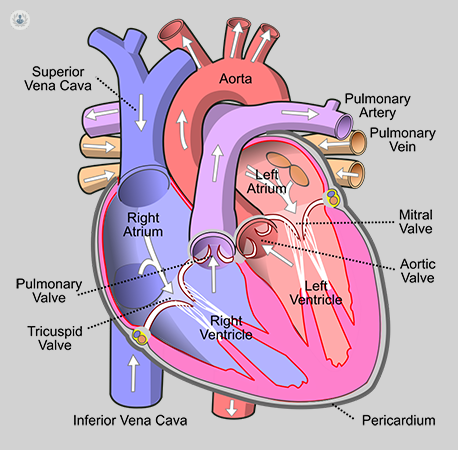
Valvular heart disease includes any disease that affect the valves of the heart. These pathologies affect the aortic and mitral valve on the left side and the pulmonary and tricuspid valves on the right side of the heart. If they get worse and are not treated, they can affect the flow of blood through the heart and cause serious heart problems.
Valvular heart diseases can be classified into three groups according to their severity:
- Mild valvular heart disease – a mild disorder that does not require treatment. A follow up with the cardiologist is sufficient.
- Moderate valvular heart disease – requires comprehensive follow-up and in some cases the patient may require treatment.
- Severe valvular heart disease – usually requires surgical treatment, in many cases to replace the affected valve.
What are the symptoms of valvular heart disease?
Valvular heart disease refers to conditions in which one or more of the heart's valves do not function properly. The symptoms of valvular heart disease can vary depending on the type and severity of the condition, as well as which valve is affected. The four main valves in the heart are the aortic valve, pulmonary valve, mitral valve, and tricuspid valve. Here are some common symptoms associated with valvular heart disease:
Chest pain or discomfort: Patients with valvular heart disease may experience chest pain or discomfort, especially during physical activity or when the heart is working harder.
Shortness of breath: Dyspnea, or shortness of breath, is a common symptom. It can occur with exertion or even at rest, depending on the severity of the valve disease.
Fatigue: People with valvular heart disease may feel unusually tired or fatigued, even with minimal physical activity.
Palpitations: Irregular heartbeats, skipped beats, or a feeling of rapid or forceful heartbeats (palpitations) can be a symptom.
Swelling (Edema): Fluid retention in the body, leading to swelling in the ankles, feet, legs, or abdomen, may occur.
Dizziness or fainting: Some individuals may experience light-headedness, dizziness, or fainting episodes, particularly during physical activity or when changing positions.
Heart murmurs: Doctors often detect valvular heart disease through the presence of abnormal heart sounds (murmurs) during a physical examination.
Chest discomfort: This can include a feeling of pressure or tightness in the chest.
Rapid weight gain: Sudden weight gain can be a sign of fluid retention associated with valvular heart disease.
Causes of valvular heart disease
Valvular heart disease can be congenital or acquired. The main causes include:
- Congenital heart disease – the patient was born with an abnormal valve.
- Rheumatic fever
- Cardiomyopathy – this disease of the heart muscle can damage the valves.
- Heart attack – these can leave damage to the heart muscle and valves.
- Previous infection with endocarditis
- Ageing
Can valvular heart disease be prevented?
Many of valvular heart diseases cannot be avoided, but there are measures that can be taken to minimise the risk, such as regular heart check-ups, maintaining a healthy diet and doing regular physical activity to keep your heart healthy.
Treatment of valvular heart disease
The treatment will depend on the type of valve disease and the degree of severity. Many cases can be treated with medication, while more severe cases may require surgery to repair or replace the valve.


